
A warmer home.
Designed around you.
A heat pump can provide efficient heating and hot water for your home. The important part is making sure the whole system is designed properly.
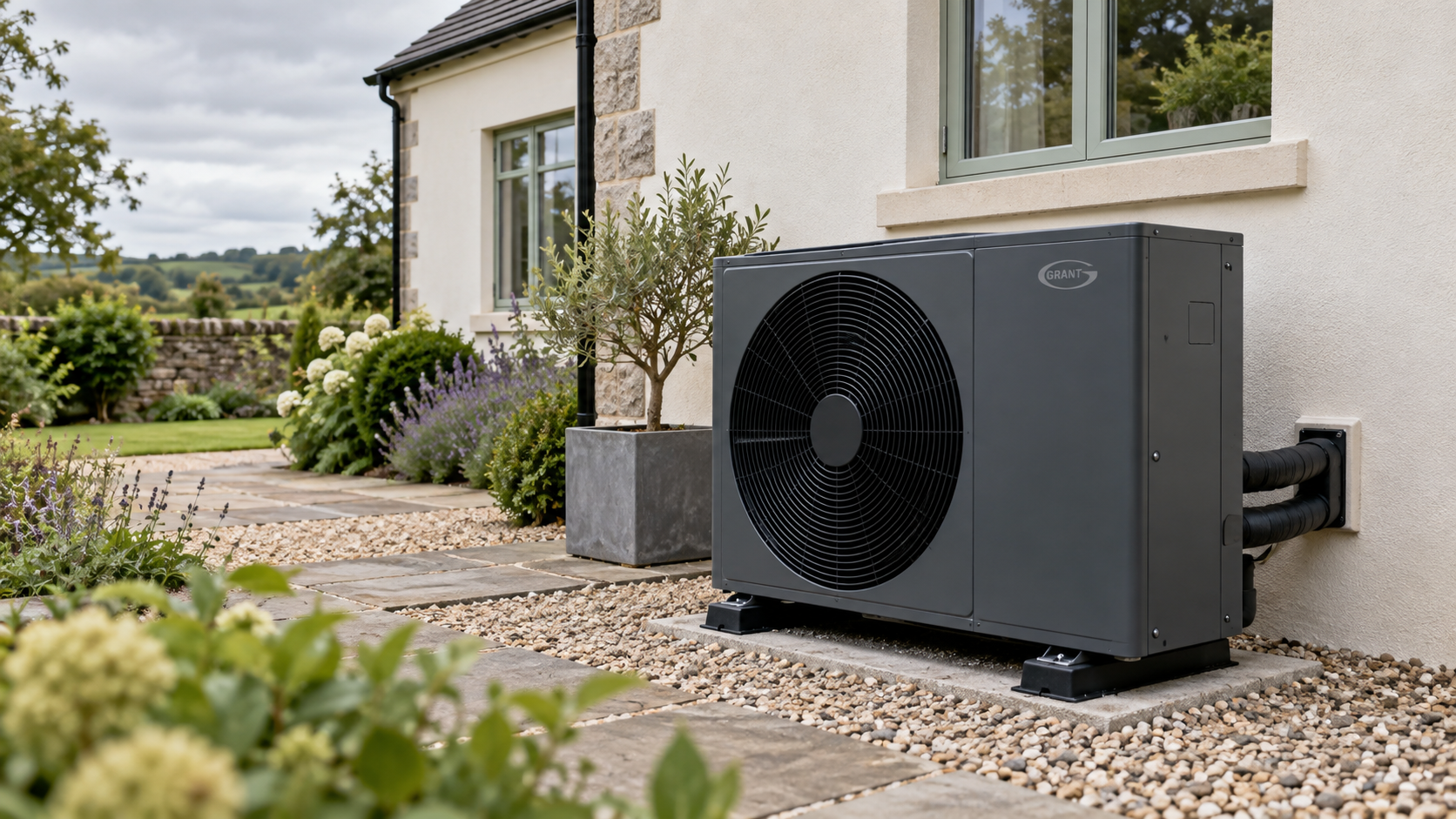
The heat pump is only part of the system.
A good heat pump installation starts with understanding your home.
We look at how much heat each room loses, your existing radiators or underfloor heating, hot water requirements, available space and how you actually use your heating.
Only then can we work out what your home needs.
The goal isn’t to fit the biggest heat pump we can. It’s to design the right heating system around your home.
Your home
Your heat loss
Your radiators
Your hot water
How you live
It moves heat rather than creating it.
An air source heat pump takes energy from the outside air and uses it to heat water for your heating system and hot water cylinder.
Because it’s moving existing heat rather than generating all of that heat directly, it can produce several units of heat for every unit of electricity it uses.
And yes — it can still extract heat from the air when it’s cold outside.
Explore how heat pumps work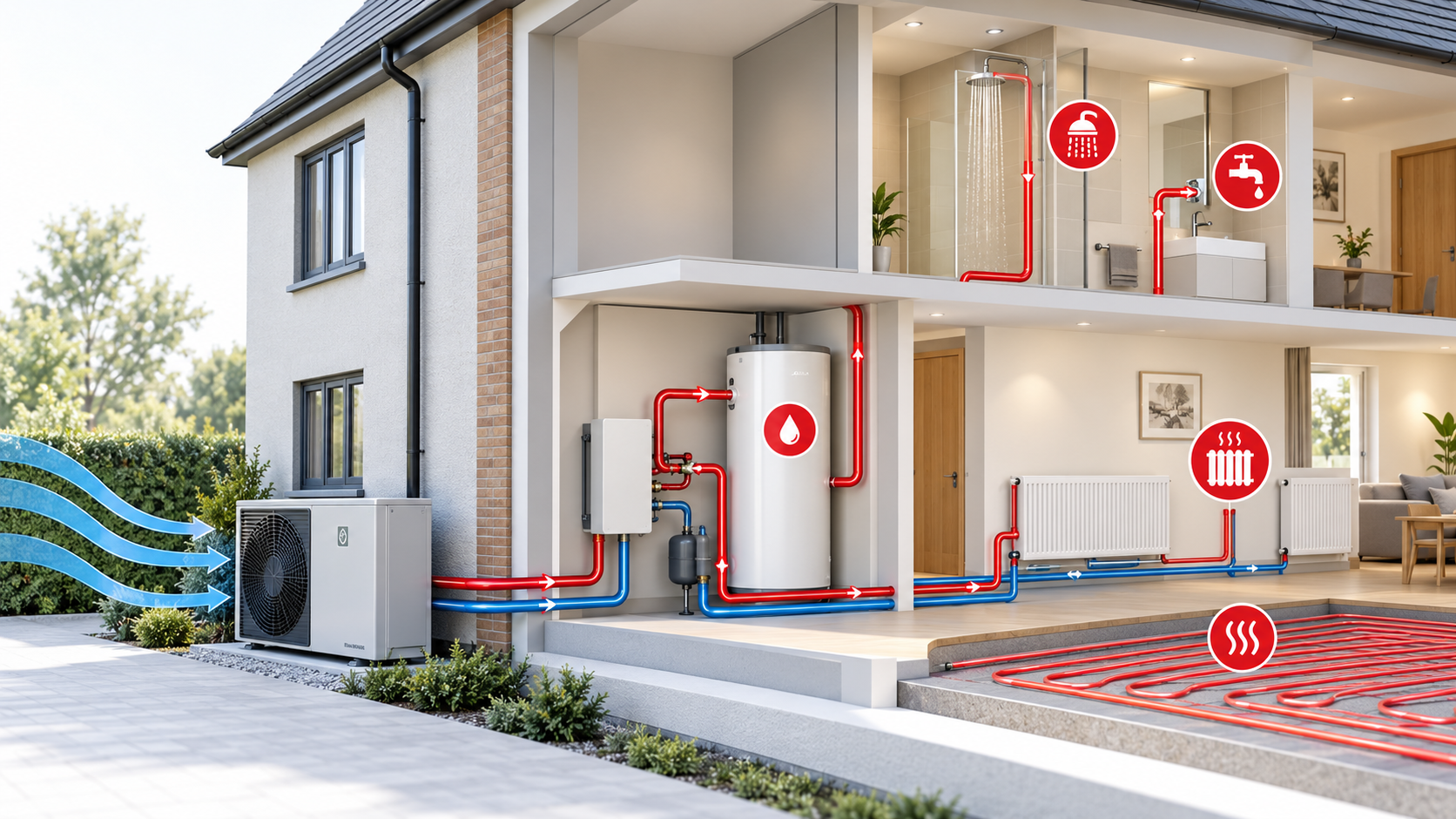
What might need to change?
Every home is different. Some installations need relatively few changes; others need more.
The heat pump
The outdoor unit normally sits outside the property with clear airflow around it. We’ll help find a position that works practically and visually.
Hot water
Most heat pump systems use a hot water cylinder. We’ll look at your existing setup and the space available.
Radiators
Some radiators may already be suitable. Others may need increasing in size so they can comfortably heat the room at lower water temperatures.
Controls
We’ll set the system up properly and show you how to use it. Heat pumps generally work best maintaining a steady, comfortable temperature rather than repeatedly heating a cold house from scratch.
We’ll show you what needs to change — and what doesn’t — before you make a decision.
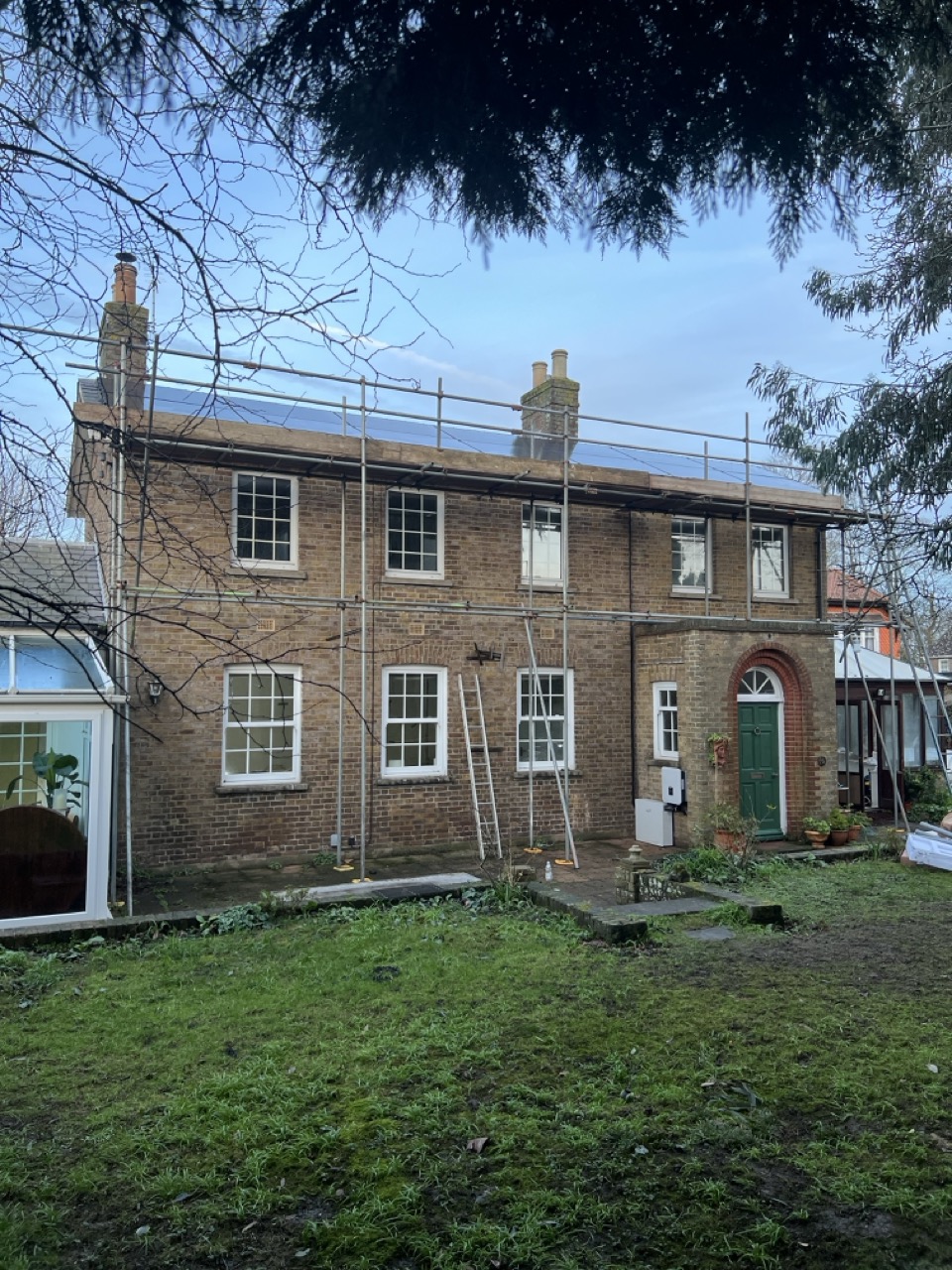
Most homes can use a heat pump. The design tells us how well.
You don’t necessarily need a new-build home, underfloor heating everywhere or perfect insulation.
What matters is understanding how much heat your home needs and designing a system capable of delivering it efficiently.
That might mean improving some radiators, addressing obvious heat loss or choosing a different system design.
Our survey gives us the information we need to work that out properly.
What happens at a heat pump survey?EXAMPLE HEAT LOSS
12.4 kW
Illustrative only — not a real customer calculation. Every home is different, and we work this out for your property.
ROOM BY ROOM
Every room assessed individually
DESIGN TEMPERATURE
Sized for a cold winter day
EMITTER SIZING
Radiators checked against the result
We calculate what your home actually needs.
Before specifying a heat pump, we calculate the heat loss of the property.
That means looking room by room at things such as dimensions, walls, windows, insulation and construction to estimate how much heat is required on a cold winter day.
We then use that information to size the heat pump and check the radiators or underfloor heating.
Your existing boiler size isn’t a heat-loss calculation.
Your heating doesn’t have to work alone.
A heat pump increases the amount of electricity your home uses — which makes the rest of your energy setup worth considering too.
Solar can generate some of that electricity at home. A battery can shift energy into different parts of the day. Smart tariffs can provide cheaper electricity at certain times.
They don’t all make sense for every property.
But because Optic works across the whole home, we can look at them together rather than treating each technology in isolation.
Explore solar + battery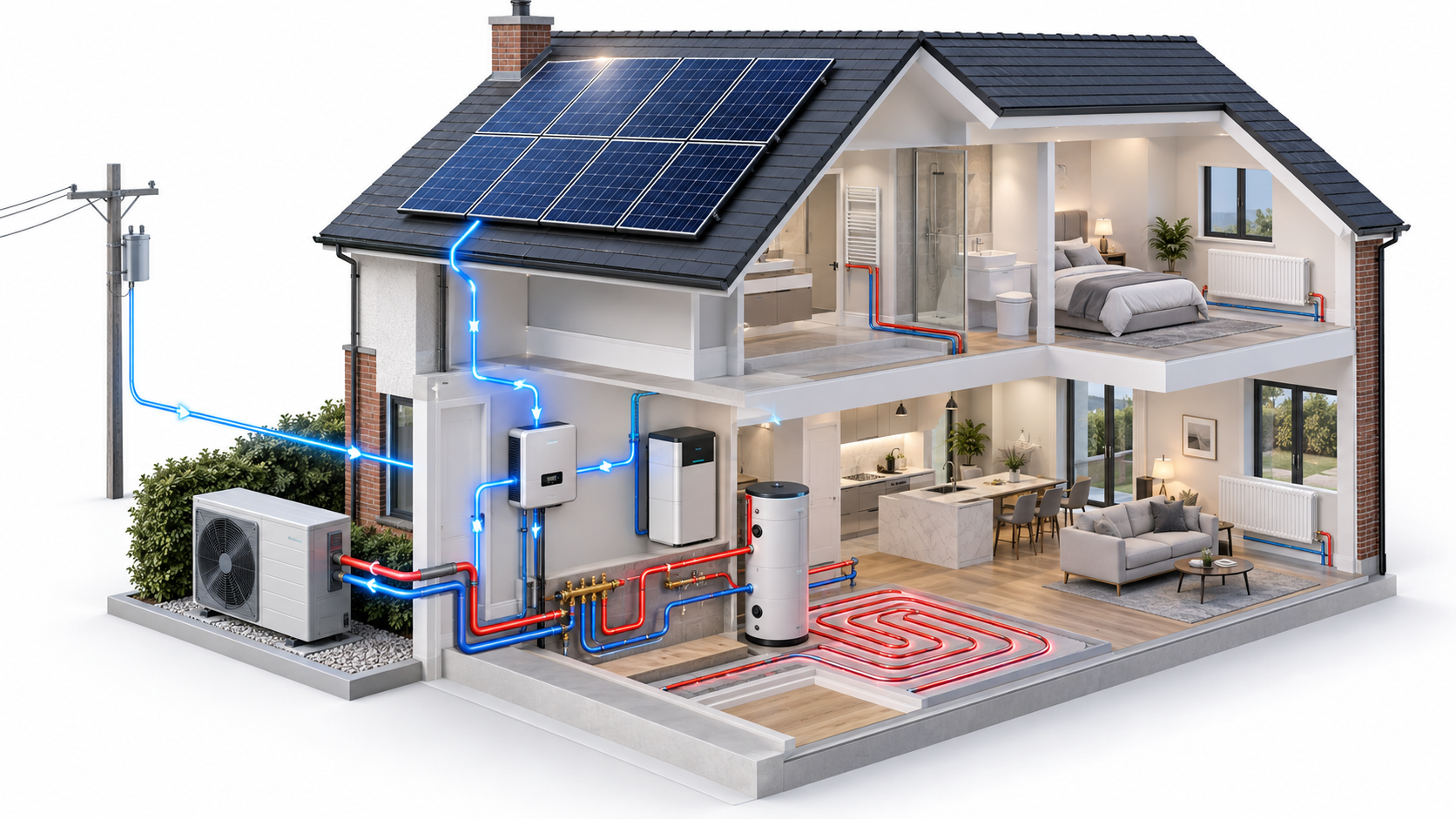
£7,500
BOILER UPGRADE SCHEME — ENGLAND AND WALES
Help with the upfront cost.
Eligible homeowners can currently receive support towards the cost of replacing a fossil-fuel heating system with a heat pump through the Boiler Upgrade Scheme.
If your installation qualifies, we’ll explain the process and how the grant is incorporated into your project.
Figure shown is the current grant for an air source heat pump, checked against GOV.UK on 27 August 2026. Scheme amounts and eligibility can change — we’ll confirm what applies to your project.
Read our Boiler Upgrade Scheme guideWill I hear it?
Modern heat pumps are designed to operate quietly, but they aren’t silent. Where the unit is positioned matters. We’ll consider nearby windows, neighbours, boundaries and the surrounding area when planning the installation.
How much space do I need?
The outdoor unit needs sufficient airflow and suitable clearances, while most systems also need space internally for hot-water equipment. We’ll look at all of this during the survey rather than expecting you to work it out yourself.
The right heat pump comes after the design.
Different heat pumps have different outputs, operating characteristics, controls, dimensions and performance at different temperatures.
We don’t want to start with a particular box and try to make your home fit around it.
We design the system first, then specify suitable equipment.
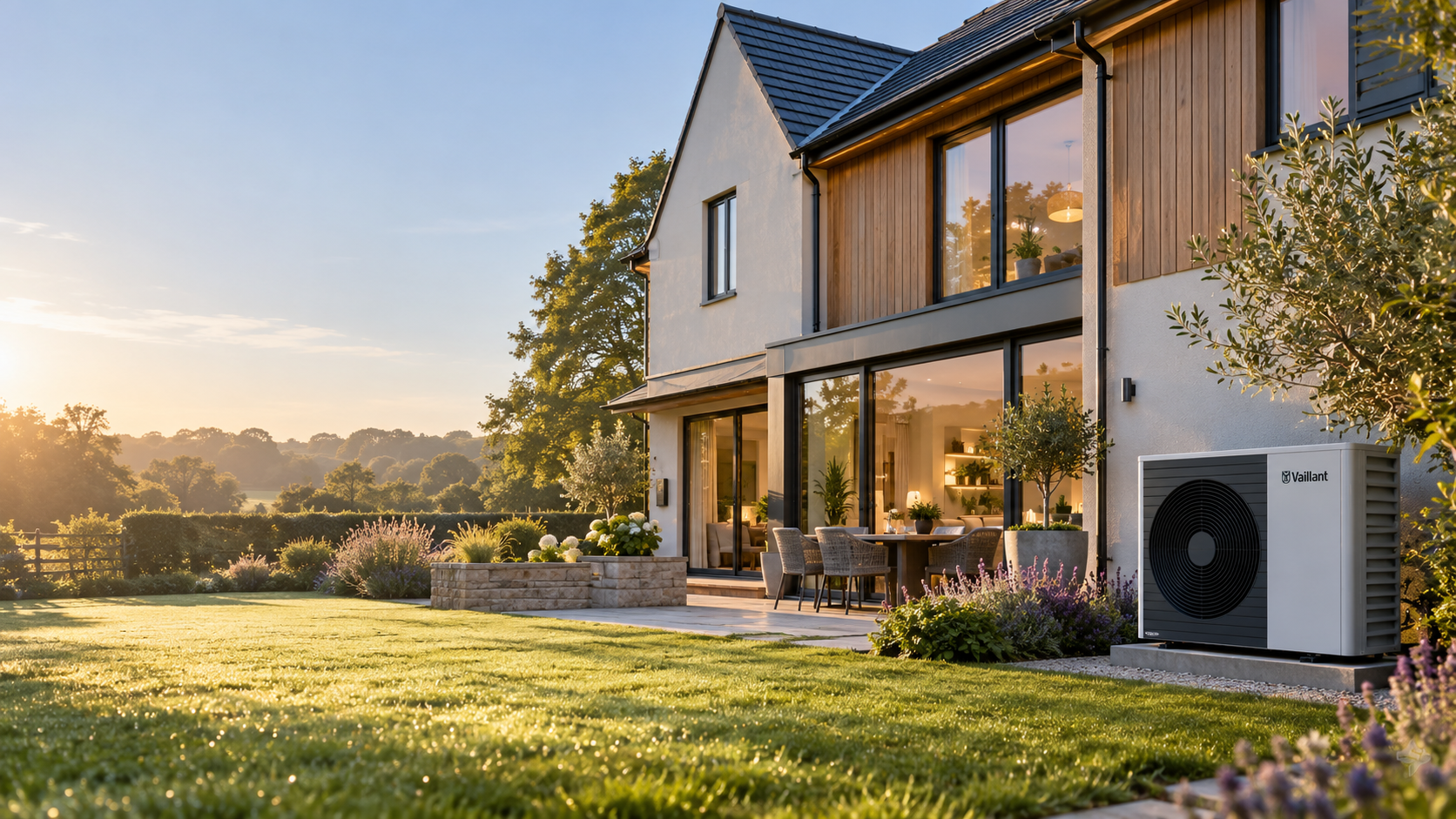
From first conversation to a warmer home.
01
Talk.
Start with a conversation. Tell us about your home, your current heating and what you’re hoping to achieve.
02
Survey.
We get to know the property, and gather the information required to understand its heating requirements.
03
Design.
We do the maths. Heat loss, emitters, hot water, equipment, expected performance and cost — brought together into a clear recommendation.
04
Install.
We bring it to life. Installation, commissioning, controls, handover and ongoing support from the Optic team.
Heat pump questions.
Do heat pumps work in old houses?
Yes. Property age alone doesn’t determine whether a heat pump will work. What matters is the heat loss of the property and whether the heating system can be designed to meet it efficiently.
Do I need underfloor heating?
No. Heat pumps can work very well with radiators. We check the required output room by room and identify whether any radiators need changing.
Will I need to replace all my radiators?
Not necessarily. Some may already be suitable, some may need increasing in size, and others may not need changing at all. The design tells us.
Will a heat pump keep my house warm in winter?
A correctly designed system should be capable of meeting the home’s calculated heating requirement at the chosen outdoor design temperature.
Are heat pumps noisy?
They make some noise while operating, but modern units are designed for residential use. Positioning is an important part of the design.
Do I need a hot water cylinder?
Most air-source heat-pump systems use a cylinder for domestic hot water. We’ll assess the existing system and available space during the survey.
Can I use a heat pump with solar panels?
Yes. Solar can contribute towards the increased electricity demand from a heat pump, and solar, battery storage and smart tariffs can all be considered as part of the wider home-energy design.
What our customers say.
We’re still here
after installation.
Your installation, documents, support and servicing — all in one place.
10 years of servicing
We include 10 years of servicing as standard, so your system keeps performing at its best.
Ongoing support
Real people, just a call or message away. We’re here whenever you need us.
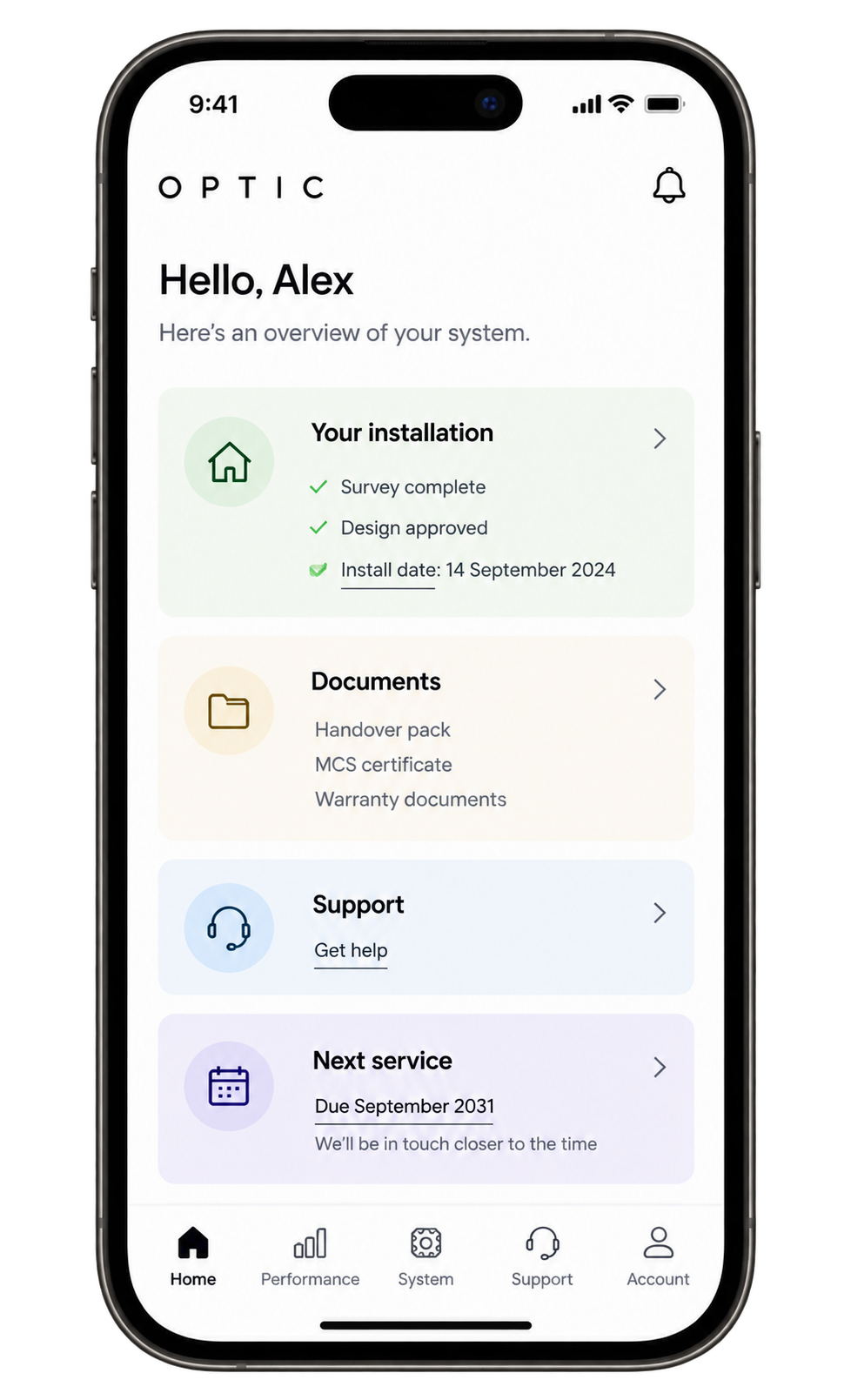
The Optic app
Everything about your system in one place. Track performance, access documents and book servicing.
Based in East Sussex. Working across the South East.
We cover roughly a 70-mile radius of Eastbourne. East Sussex, West Sussex, Kent, Surrey and neighbouring parts of the South East. If you are not sure whether we reach you, just ask.
Where we workCould a heat pump work for your home?
Tell us about your property and how you heat it today. We’ll help you understand what’s possible and whether a heat pump looks like the right next step.
Let’s get started